SNL & The Number One Tennis Player
THE CHALLENGE
Electrolit had a credibility problem that most brands would envy: they were too functional. Known as the hydration choice of serious athletes, the brand had legitimacy, but lacked cultural heat. They needed to move beyond the recovery aisle and into the cultural conversation.
The challenge wasn't just creating an ad. It was bridging two worlds: elite athletic performance and entertainment culture. How do you make a hydration brand feel like a cultural player without losing the authenticity that made athletes trust it in the first place?
We needed to create something that didn't feel like an ad at all.
THE WORK
We started from a simple conviction. The best thing this could be was entertainment, not advertising. So we built it that way.
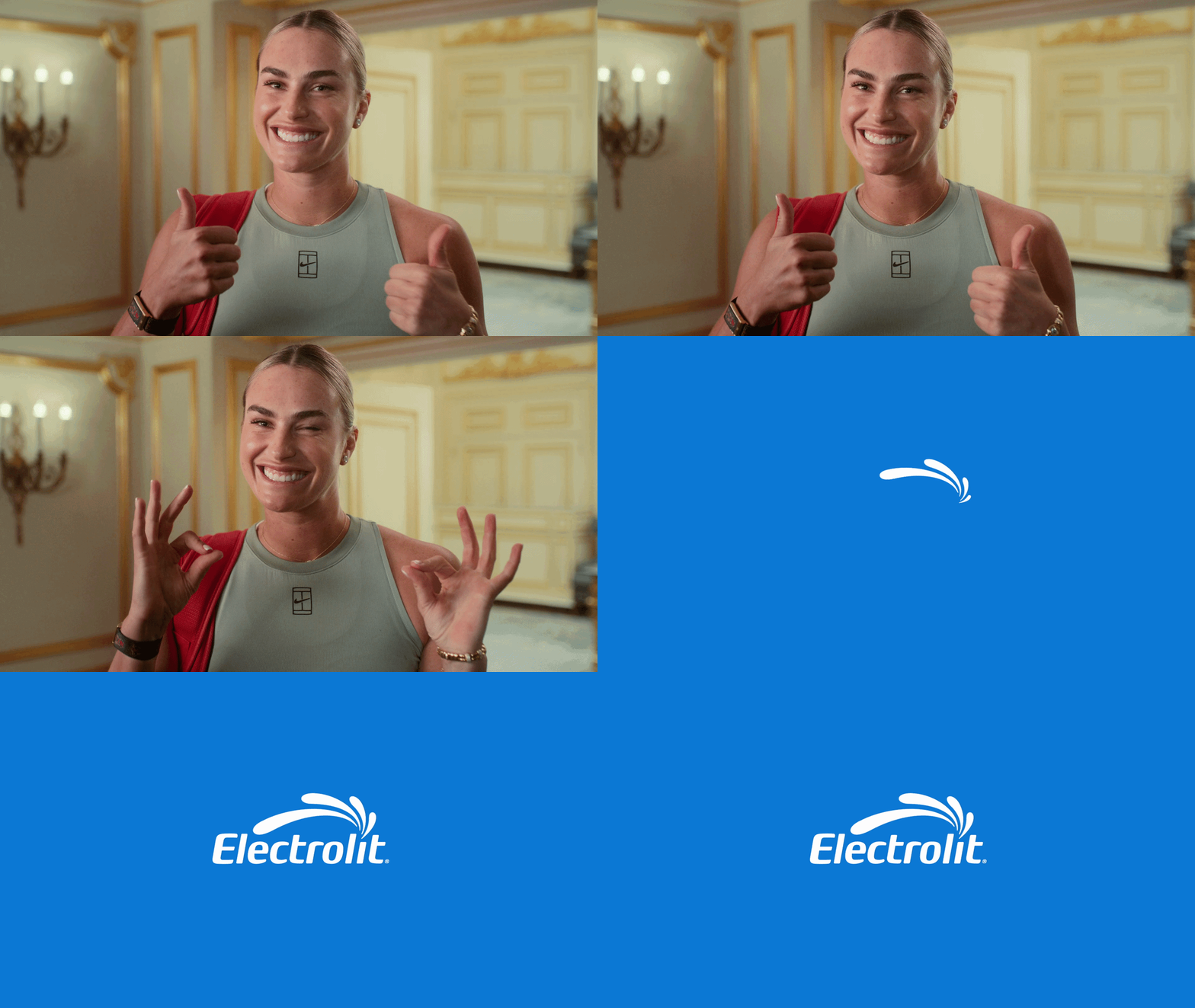
The casting came first, and it did a lot of the work. Aryna Sabalenka, the world's #1 ranked tennis player and an existing Electrolit partner, brought the athletic legitimacy. Jeremy Culhane, fresh off joining SNL, brought comedic timing and a fast-rising cultural profile. Together, they created something neither could on their own.
The concept was a comedic scene, not a brand moment. Two people, some unexpected chemistry, and Electrolit present the way it actually is in real life: just there, because of course it is. No forced integration. No hard sell. The product earns its place rather than demanding attention.
We shot it like a short film. Cinematography, performance, and pacing took priority over advertising conventions. Every decision served the scene first.

THE RESULT
The spot worked because it didn't feel like it was working.
Key outcomes:
Positioned Aryna Sabalenka as a personality with range, not just a champion with a sponsor
Gave Jeremy Culhane a high-profile platform during a pivotal moment in his career
Moved Electrolit into entertainment culture without losing its athletic credibility
Created content people actually chose to watch, not content they tolerated
Proved the brand belongs in the same space as the people who drink it
When you treat the brief like a creative opportunity rather than a marketing requirement, something shifts. You're not making an ad. You're making something worth watching that happens to feature your brand. That's the difference. And that's what this was.