America Is An Idea
A project by collaborator Shachar Aylon, featured on Open Late as part of an ongoing creative relationship.
THE CHALLENGE
Most Lyft drivers are immigrants. When immigrant rights came under real, daily threat, staying quiet wasn't an option — and neither was getting it wrong. Cause marketing done badly is a logo next to a press release. Done well, it changes minds. With real families in the story, only the latter would do.
The brief: be useful, not just visible. Thousands of free rides to immigration nonprofits. Content with enough weight to match the moment, without reducing anyone to their circumstances.


THE WORK
It started with one line: America is an idea. Powerful enough to pull people from every corner of the world toward it. The campaign was built to prove that idea through the people living it.
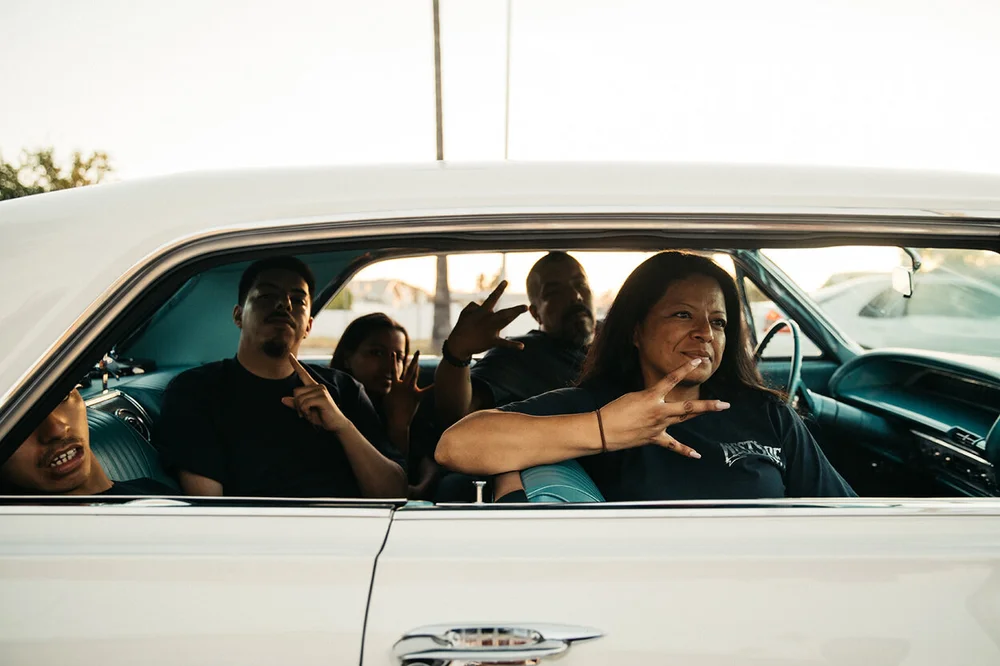
Five vignettes, shot across the country. Wilson, who builds lowriders in LA and advocates for deaf Latino families. Zahraa, a Muslim single mother raising three sons. Cesar, who grew up undocumented in Alabama and now speaks at churches about what DACA actually feels like. Shervin, born in Iran, genuinely obsessed with American '80s culture. Mark and Jules, who answer calls from asylum seekers at the border in real time.
Real people, fully realized. 80% of the filmmakers, photographers, and writers behind the work were first-generation Americans or immigrants themselves, many from the communities they documented.
We built a digital magazine to hold it all: films, photojournalism, and editorial designed for people to spend real time with.
We partnered with the New York Times, placing the work inside their immigration issue with a custom digital masthead running alongside it.
We hosted dinners at immigrant-owned restaurants: Guelaguetza in LA, Garcia's Seafood Grille in Miami, Galaza's in New York. RAICES joined every table, sharing what was happening at the border in real time.
And Round Up & Donate, Lyft's fare round-up program, hit its biggest spike in opt-ins ever.

THE RESULT
The campaign did what it set out to do: it moved people, and it moved resources.
Key outcomes:
Biggest spike in Round Up and Donate opt-ins in the program's history
Thousands of free rides delivered to immigration nonprofits and their clients across the country
Webby Award, Best Corporate Social Responsibility
Featured in Communication Arts, Lürzer's Archive, Shots Magazine
Vimeo Pick of the Month
FWA Site of the Day
Coverage across national press and cultural media
The editorial strategy worked because the content deserved to exist beyond the campaign. A film about Wilson's lowriders and his kids. A piece about what it's like to wait for asylum. A story about Cesar standing in front of a congregation being told he's living in sin. These weren't brand films. They were portraits.
When 80% of the people making the work come from the communities in the work, it shows. Not as a credential but as a quality. The difference between a campaign about immigrants and a campaign made with them is visible in every frame.
Lyft didn't just say something. They built something, funded something, drove something. That's the gap between showing up and showing up.