Building the world of Matcha in the USA
THE CHALLENGE
Matcha, miso, koji, natto, sake. Centuries of craft, profound flavor, and for most American home cooks, still intimidating.
Japanese ingredients already had a foothold in the US. Matcha lived on coffee shop menus. Miso showed up in soup. But they stayed on the edge of the American kitchen: interesting enough to order at a restaurant, not yet familiar enough to buy and cook with at home.
JFOODO wanted to close that gap while keeping the tradition fully intact. The challenge was education that didn't feel like a lecture, inspiration that felt within reach, and a way to earn real attention from food-curious Americans already deep in recipes and content.
We found that by going where people were already looking, inside the content they already trusted.


THE WORK
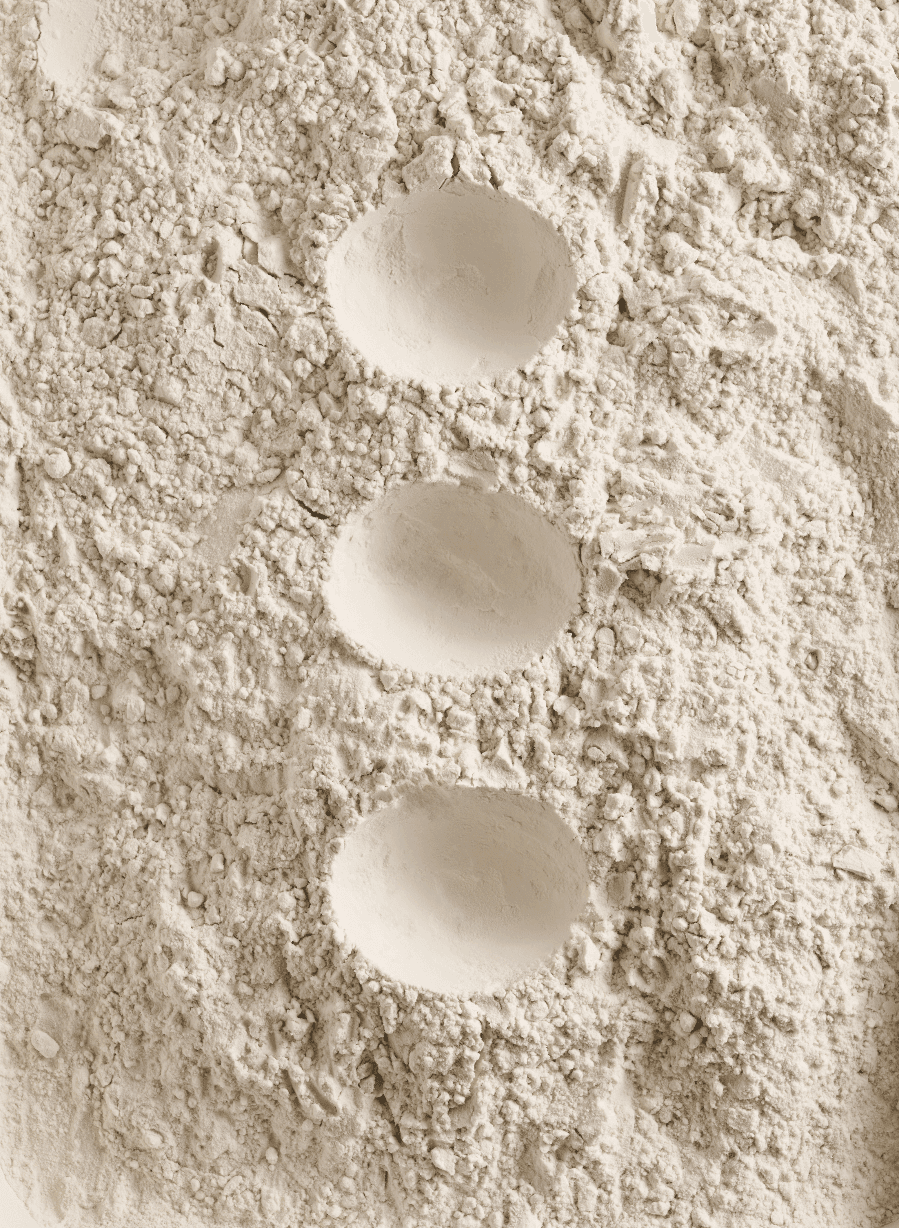
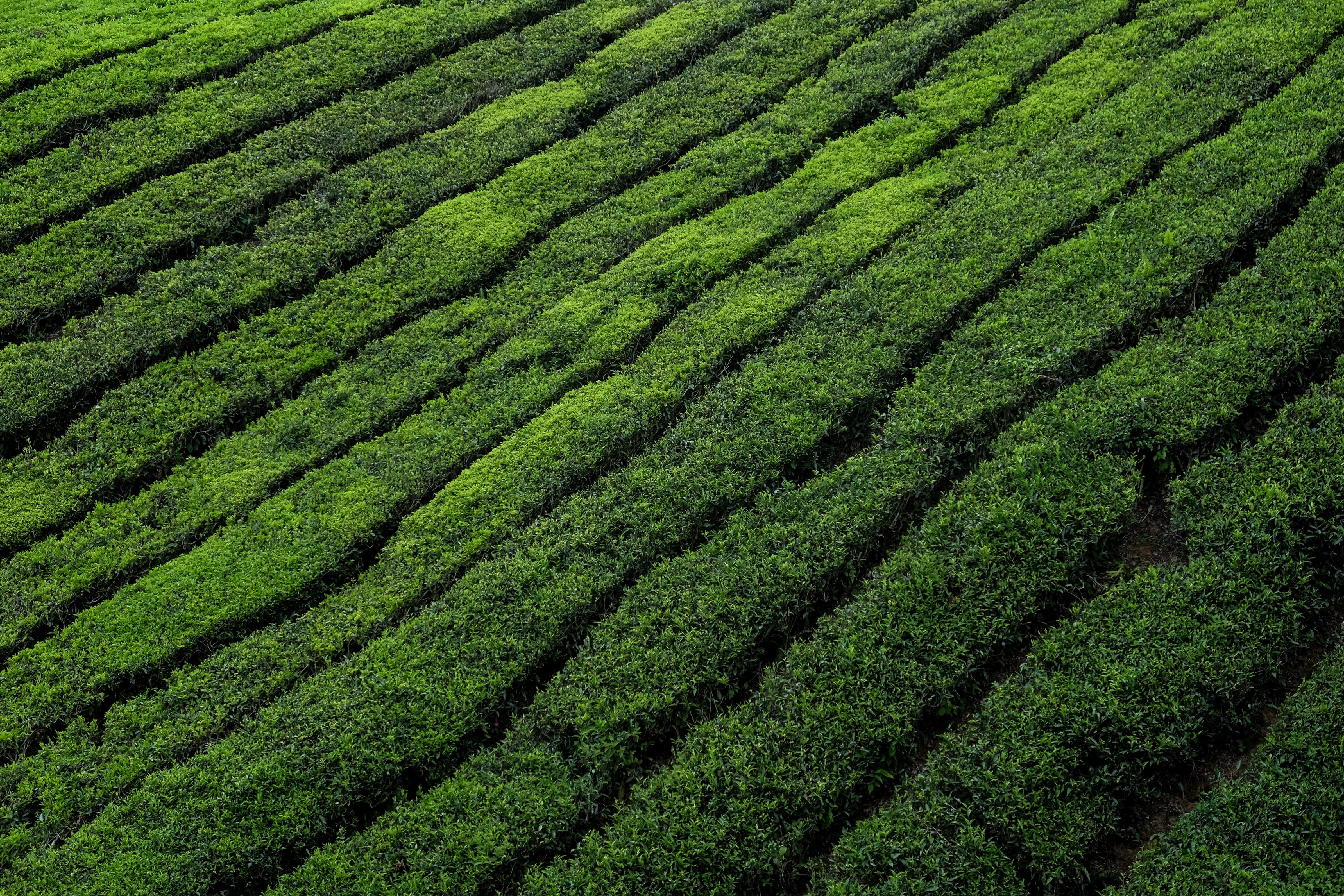
We built Umami Match around one idea: Japanese ingredients aren't novelties, they're the thing your cooking was missing. Matcha changes more than tea. Miso changes more than seasoning. Find your match, and your cooking shifts.
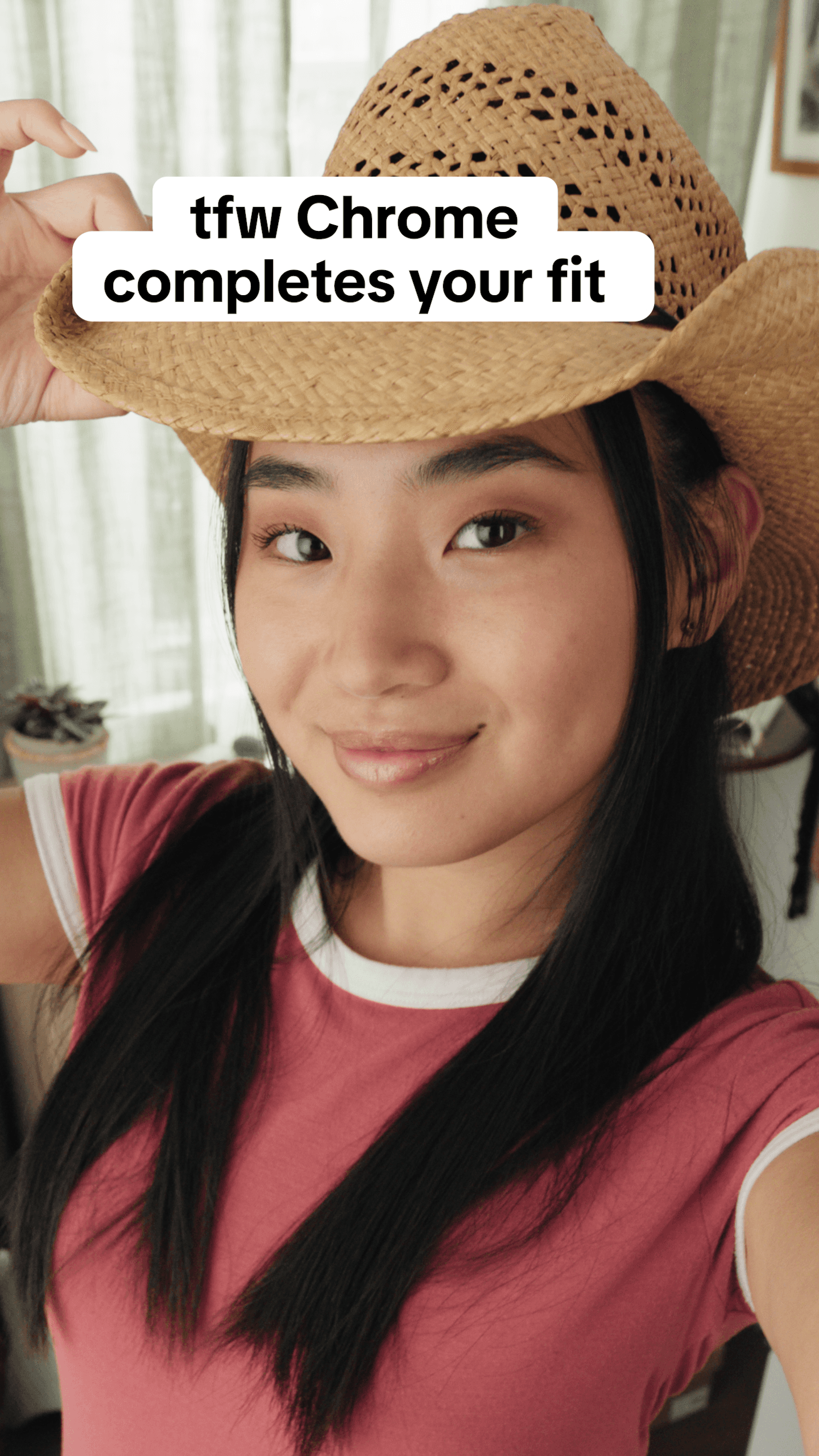
Two original content series. One went deep with culinary professionals, showing how these ingredients live in a working kitchen. The other went wide, with creators exploring the same ingredients through their own routines. Both built to inspire, letting people find their own way in.
A library of social content. Fifteen-plus assets built for Instagram, YouTube, and Pinterest: recipe videos, ingredient portraits, technique demos, shoppable links, all shot with real visual craft.
An earned media strategy that delivered. We gave food editors something worth publishing instead of buying placements. Bon Appétit, Serious Eats, Food & Wine, Eater, Thrillist, and The Kitchn each ran original features, all editorial, all earned.

THE RESULT
The campaign moved people from curious to convinced.
Key outcomes:
95.3% purchase intent among engaged audiences
20% increase in purchase likelihood after contact with the content
6+ major editorial placements across top-tier American food media
High video completion rates and strong save/share behavior across social
Evergreen editorial content still driving discovery after the campaign wrapped
The editorial strategy was the force multiplier. Every placement reinforced the others, and Japanese ingredients started showing up everywhere food-curious Americans were already looking, as part of the conversation rather than an interruption.
Matcha moved from coffee shop order to home kitchen staple. Miso expanded from soup into marinades, dressings, baking. Koji became something home fermenters actively sought out. The campaign shifted how people understood what was possible in their own kitchens.
Japanese ingredients didn't need to be Americanized. They needed to be understood. Once they were, they became irresistible.